Rapid Response: The Power of Sustainable Transport Systems | Global HIV and TB

Healthcare delivery
In a world where diseases know no borders, efficient healthcare delivery is essential for safeguarding the health of Americans. The ability to transport biological samples quickly and reliably can mean the difference between life and death. In regions of Africa with high rates of HIV and TB, inefficient or fragmented sample transport systems have delayed diagnoses and treatment, hindering efforts to detect and stop the spread of dangerous outbreaks.

Recognizing this urgent need, CDC, through the President’s Emergency Plan for AIDS Relief (PEPFAR), supported reliable sample transport initiatives in Kenya, Malawi, Uganda, and Zimbabwe to improve diagnosis and treatment, leading to better health outcomes and bolstering global and national health security. By establishing integrated sample transport systems, these countries build sustainable outbreak response capabilities, ensuring that health threats are swiftly identified and contained, ultimately protecting American lives.
Maximizing efficient systems for diagnosis and outbreak response
CDC’s approach to improving sample transport systems involves transitioning from fragmented, donor-dependent models to unified, country-owned solutions. Improvements include:
- Timely Diagnosis: Reliable transport systems extend reach to remote areas, reduce turnaround times for test results, and increase diagnostic capacity, enabling timely treatment and better health outcomes.
- Reliable Results: Proper handling preserves sample quality, ensuring accurate diagnostics and minimizing errors, which reduces the need for repeat testing and unnecessary costs.
- Cost Efficiency: Efficient transport systems lower transportation costs, enhance healthcare facility efficiency, and promote sustainable healthcare infrastructure.
- Strengthening Surveillance: Integrated transport systems connect disjointed transport networks into a cohesive system for identifying new threats and effective outbreak management.

Innovative sample transport: real-world impact
CDC-supported sample transport networks are crucial for outbreak response because they enable rapid, accurate laboratory diagnosis, which is essential for identifying the pathogen, tracking its spread, and implementing effective control measures. These networks ensure that samples are transported safely and efficiently from remote locations to specialized laboratories, allowing for timely confirmation of the outbreak, informing treatment strategies, and speeding up effective response efforts.
Kenya
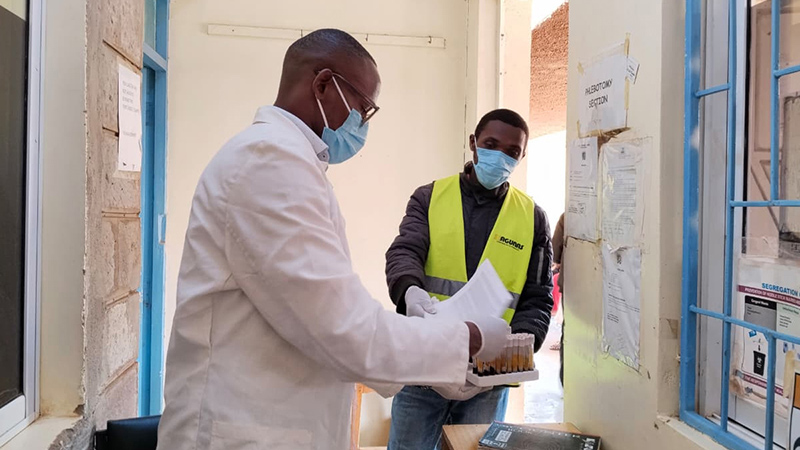
In Kenya, CDC collaborated closely with the Ministry of Health and partners to launch an Integrated Sample Referral System (ISRS) in 2024. This comprehensive system was designed to streamline the transport of samples for various diseases, including HIV, TB, cholera, monkeypox, and measles. By leveraging local resources and expertise, the ISRS has dramatically improved the efficiency of sample transport across the country. Health facilities can now send samples directly to testing laboratories, significantly reducing delays and ensuring that patients receive timely diagnoses and treatment. The national and county governments have co-invested financial resources to ensure the ISRS success, further ensuring sustainability and reducing dependency on American funding.
Malawi
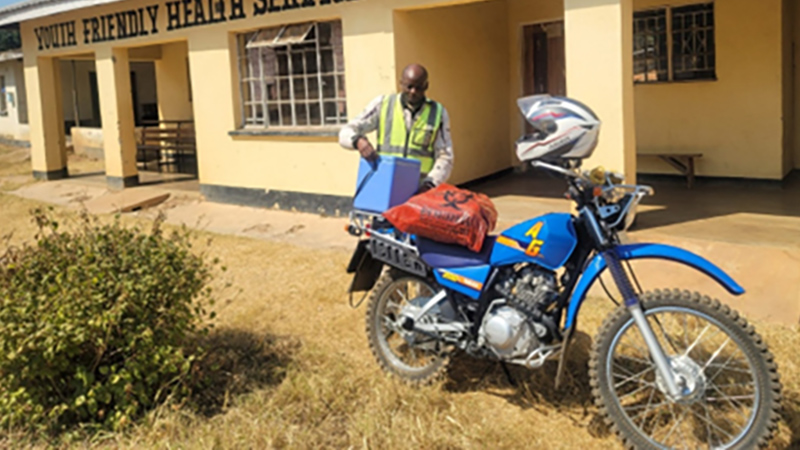
In Malawi, the Optimized Sample Transportation (OST) initiative has made significant strides in connecting health facilities with testing laboratories. This innovative system minimizes unnecessary or repeat trips by efficiently transporting samples for HIV viral load, early infant diagnosis, TB, and cervical cancer testing. As a result, 95% of health facilities are now linked to testing laboratories. The OST utilizes digital solutions to enhance sample tracking and reduce turnaround times, making it easier for healthcare providers to manage patient care effectively. By streamlining the transport process, Malawi has significantly improved access to essential diagnostic services, strengthening disease surveillance capabilities, and supporting integrated health systems.
Uganda

In Uganda, the sample transport system has evolved remarkably since its inception in 2011. Initially starting with just eight health facilities, the system has expanded to 100 laboratory hubs serving nearly 3,000 health facilities nationwide in 2025. The laboratory hubs facilitate centralized testing and improve access to diagnostics for millions of Ugandans. The system addresses HIV and integrates testing for other diseases, including TB and cervical cancer, thereby enhancing the overall healthcare infrastructure. The Uganda Ministry of Health has played a pivotal role in managing this expansive network, ensuring that samples are transported efficiently and securely, particularly during public health emergencies like Ebola, monkeypox, cholera, and measles outbreaks.
Zimbabwe
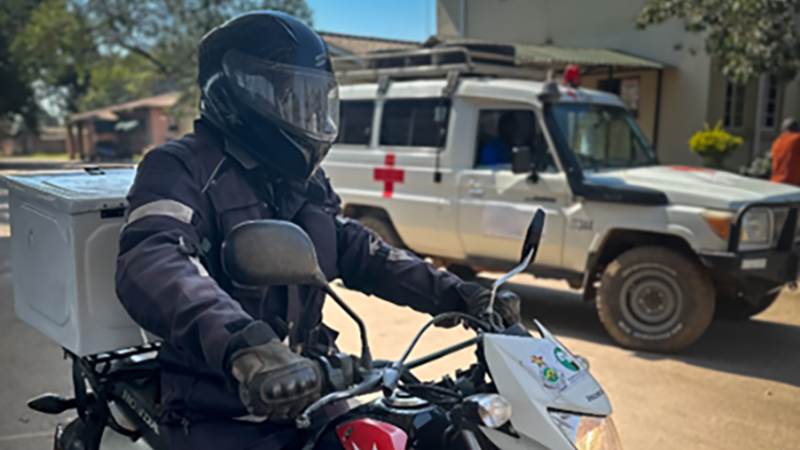
In Zimbabwe, the CDC- and Global Fund-supported Integrated Sample Transport (IST) system is a global best-practice model, fully embedded within the Ministry of Health and Child Care. The system manages the transportation of over 1 million samples annually from over 90% of health facilities nationwide for multi-disease detection. IST uses a state-of-the-art digital tracking system for real-time monitoring of sample movement, ensuring timeliness of testing and improving reliability of test results. IST has enhanced the country’s ability to contain outbreaks swiftly by facilitating rapid detection of pathogens. Zimbabwe set a benchmark for other nations in how local collaboration can establish a comprehensive system for sample transport.
Building self-reliance: global and national health security
The success of sample transport systems established through PEPFAR and CDC have significant implications for both global and national health security. By ensuring timely and accurate diagnostics, CDC helps prevent the spread of infectious diseases and mitigate outbreaks that threaten communities worldwide, including in the U.S. Strengthening healthcare infrastructure in high-burden countries is essential for protecting Americans and minimizing the risk and cost of imported diseases.
CDC’s initiatives build self-reliance and local capacity, enabling countries to effectively manage and contain health emergencies. By addressing critical gaps in healthcare delivery, CDC ensures timely treatment for infectious diseases, saving lives and improving health outcomes. Additionally, CDC’s establishment of durable sample transport systems is vital for outbreak response and risk mitigation, enhancing U.S. preparedness and resilience against health threats and fostering a safer, healthier world for all.
Resources
A summary of CDC’s HIV and TB programs, services, and partnerships in Kenya.
A summary of CDC’s HIV and TB programs, services, and partnerships in Malawi.
A summary of CDC’s HIV and TB programs, services, and partnerships in Uganda.
A summary of CDC’s HIV and TB programs, services, and partnerships in Zimbabwe.
link